System safety and security
Methods that catch costly flaws in how software, people, and organizations interact, before they lead to accidents or rework.
Our researchMIT PSAS
PSAS studies why accidents and security breaches happen in complex systems, where software, automation, people, and organizations interact, and develops practical ways to catch the costly flaws behind them before they cause a loss. Each year, practitioners meet at the free MIT STAMP Workshop to share real-world results from the latest approaches to these problems.
The challenge
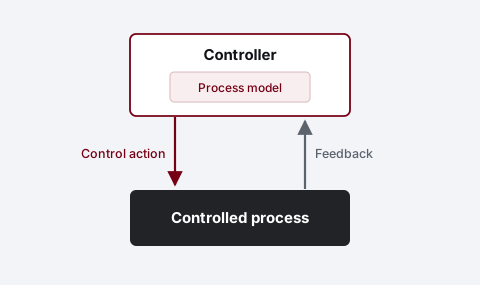
New technology and growing complexity are straining traditional approaches to safety and security. The people who operate these systems now supervise automation they may not fully understand. That automation can behave in unexpected ways, and it can set people up for errors that are harder to anticipate than mistakes in manual work with simple, predefined procedures.
Many recent accidents didn't involve any component failure. Every part met its specification, and the loss came from unsafe interactions between parts, flawed requirements, or assumptions that hadn't been checked. Methods built around component failures aren't designed to look for these problems.
Engineering design can no longer be separated from human factors, or from the social and organizational system in which a system is designed and operated.
Our goal
PSAS creates and evaluates tools and processes, based on systems thinking, for catching the expensive flaws, vulnerabilities, and mistakes that traditional methods often overlook. Finding them during design costs far less than fixing them after testing, certification, or an accident. Safety and security in modern systems call for collaborative research across disciplines, grounded in sound systems engineering.
We draw on several MIT schools (engineering, management, social sciences, and sciences) and work with researchers at other universities and with industry partners. Our affiliates work in defense, aviation and air transportation, spacecraft, medical devices and healthcare, automobiles, railroads, nuclear power, energy, oil and gas, and other fields.
How we work
We work with universities, government agencies, and companies around the world that want to apply systems thinking to safety.
Technical, managerial, and social factors are studied together, as parts of one system.
We work on the problems behind real accidents, with the goal of changing how risk is managed in practice.
Partners in industry and government, and the people who use and work in these systems, tell us which unsolved problems matter most.
PSAS gives companies, regulators, employees and unions, users, and customers a way to work together without conflicts of interest or legal barriers.
Results are carried into practice, including solutions tailored to a particular company or government agency.
Operations and management get the same attention as design and development, which researchers often favor.
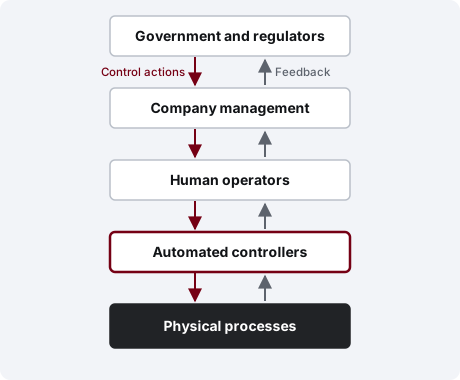
We look at the whole sociotechnical structure, from government and management down to designers and operators. Effective solutions usually need changes at several of these levels.
Explore
Methods that catch costly flaws in how software, people, and organizations interact, before they lead to accidents or rework.
Our research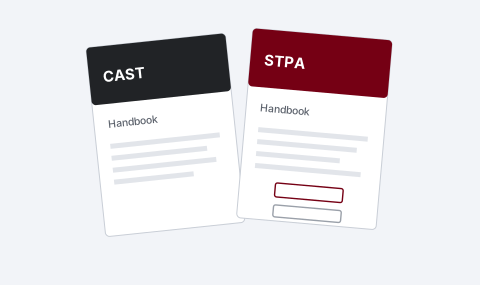
Free tutorials, handbooks, publications, and past workshop presentations on STAMP, STPA, and CAST.
STAMP materials
The annual MIT STAMP Workshop is free and open to everyone. It's a good early step, with classes and certification available when you're ready to go further.
The STAMP Workshop Learning STAMPActivities
We work with industry, government, and universities on real safety and security problems.